The world of home baking has evolved far beyond neighborhood bake sales and handwritten order slips. Today, many home bakers run their kitchens like mini bakeries, offering custom cakes, themed cupcakes, and specialty pastries through online platforms and word-of-mouth. As demand increases, so does the need for better organization and efficiency. This is where point-of-sale (POS) systems come into play.
A POS system may sound like something only large stores or commercial bakeries need. But even for small home-based baking businesses, it can be a game-changer. Managing payments, tracking sales, organizing orders, and staying on top of inventory all become simpler with the right POS setup.
This beginner’s guide breaks down the essentials of POS systems, why home bakers should consider using them, and what to look for when choosing one. Whether you are just starting out or looking to take your home baking business to the next level, this article will help you make informed decisions.
What Is a POS System?
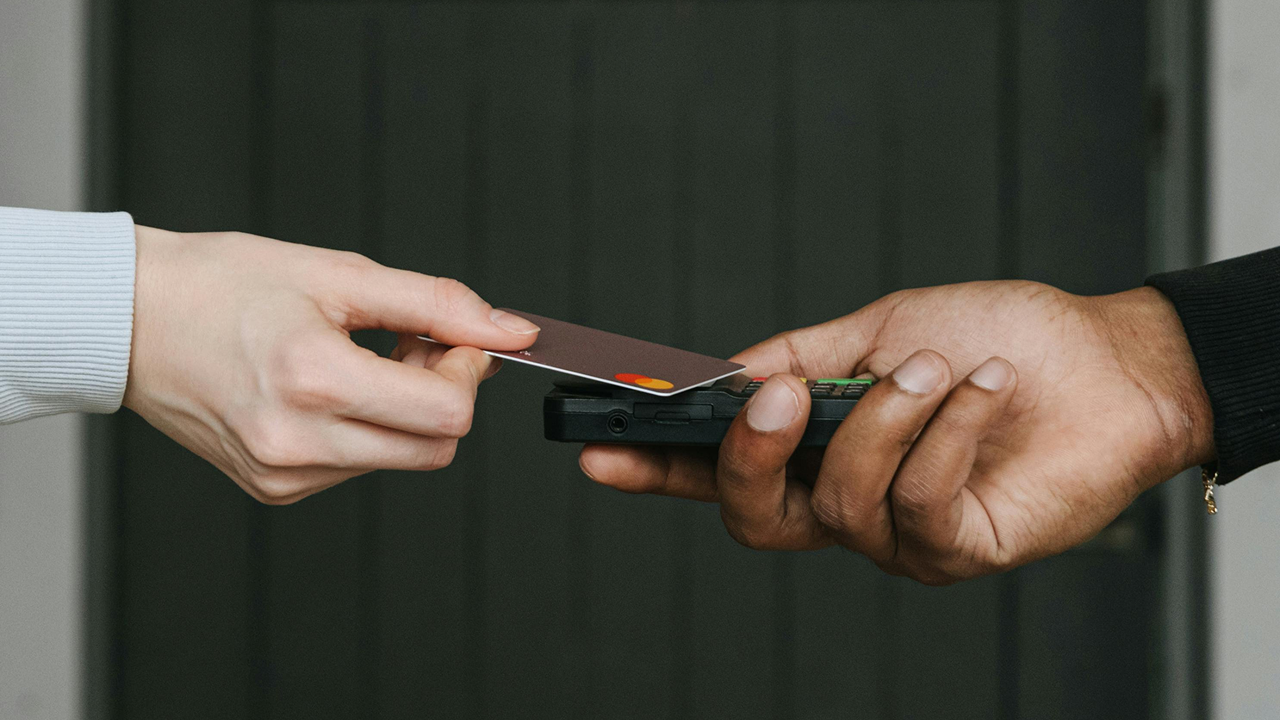
A point-of-sale system is more than just a way to accept payments. It is a combination of hardware and software that helps manage the selling process. When a customer places an order, the POS system records the sale, processes the payment, and updates any relevant data like inventory or customer details.
In a traditional store, the POS might be a register and scanner. For a home baker, it could be as simple as a mobile device connected to a card reader and an app. The purpose is the same: to handle transactions efficiently and keep your business organized.
How POS Systems Support Small Food Businesses
For home bakers, POS systems can track custom cake orders, keep records of seasonal sales, send digital receipts, and even schedule pickup or delivery. Some platforms also integrate with social media or e-commerce tools, making it easier to accept orders online and connect with customers.
POS systems help reduce manual errors, speed up payment collection, and give you insights into what products are performing well. These benefits can save time and support smarter decision-making.
Why Home Bakers Should Consider a POS System
Many home bakers manage their operations using spreadsheets, messaging apps, and paper notebooks. While these methods may work at first, they can become overwhelming as orders increase or new services like online ordering and delivery are added.
Streamlining the Ordering Process
A POS system helps you track all incoming orders in one place. Instead of jumping between emails, texts, and Instagram messages, everything can be organized and scheduled through your POS software. This improves communication with customers and ensures that no order is missed.
For custom orders, many systems allow you to add notes about flavors, dietary needs, or decoration preferences. This ensures you have all the information you need and reduces the risk of mistakes.
Easy and Secure Payment Collection
Accepting cash may be simple, but more customers today expect to pay using cards or mobile wallets. POS systems make this possible through integrated card readers or payment links. This not only provides convenience but also adds professionalism to your service.
Digital payments also mean fewer trips to the bank, less handling of cash, and faster access to funds. Some systems even offer next-day deposits, which can help you purchase ingredients or pay for packaging materials quickly.
Tracking Sales and Growth
Another major benefit of POS systems is access to real-time data. You can see which products are your best-sellers, what time of year you receive the most orders, and which promotions worked best.
Having this information allows you to make better business decisions. You can adjust your menu, plan your inventory, or launch a new offering with more confidence. This level of insight is difficult to achieve without a digital system in place.
Types of POS Systems for Home Bakers
There are several kinds of POS systems available, ranging from simple mobile apps to full-featured software platforms. The right one for you depends on the size of your operation, your budget, and the specific features you need.
Mobile POS Solutions
These are often app-based systems that run on smartphones or tablets. They connect to a portable card reader for processing payments and can include features like sales tracking, customer management, and invoice generation.
Mobile POS systems are ideal for home bakers who sell at local markets, pop-up events, or directly from their homes. They are easy to use, require minimal setup, and are usually cost-effective.
Cloud-Based POS Platforms
Cloud-based systems store your data online so you can access it from anywhere. They often include more advanced features like online ordering, inventory management, and automated marketing tools.
These platforms are helpful if you plan to grow your business, offer nationwide delivery, or expand into a shared kitchen or storefront. They allow for more customization and integration with other business tools.
Features to Look for in a POS System
Not all POS systems offer the same functionality. When evaluating options, focus on the features that align with how your home baking business operates.
Order and Customer Management
The system should let you log orders, add custom notes, and set pickup or delivery times. It should also allow you to store customer contact details, making it easier to offer personalized service or send follow-ups.
A searchable order history can help you quickly refer back to previous requests, reducing repetitive conversations and improving customer service.
Inventory and Ingredient Tracking
Even in small baking operations, knowing what ingredients and supplies you have on hand can prevent waste and shortages. Some POS systems let you track inventory automatically as orders are placed.
This can be especially helpful if you offer a variety of baked goods with shared ingredients. You can monitor flour, eggs, sugar, and packaging levels more efficiently and restock before you run out.
Integration With E-Commerce and Social Media
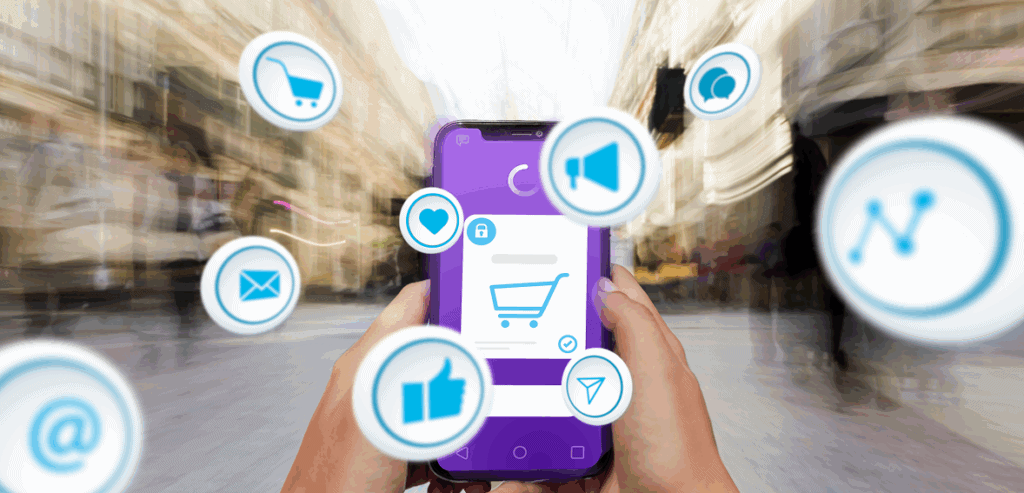
Home bakers often promote and sell through platforms like Instagram, Facebook, or their own websites. A POS system that integrates with these channels allows customers to place orders directly from a social post or your online store.
This reduces friction for customers and centralizes your order management, making it easier to stay on top of things during busy seasons or promotions.
Invoicing and Receipts
Professional-looking invoices and receipts create trust and make your business feel more established. POS systems that automatically generate and email these documents save time and add polish to your customer experience.
You can also track which invoices have been paid and follow up easily if a payment is overdue.
Cost Considerations for Home Bakers
Budget is a key concern for most home-based businesses. Fortunately, many POS systems offer flexible plans designed for small sellers. Pricing often depends on the features you choose and the payment volume you handle.
Monthly Subscription Fees
Some platforms charge a monthly fee for access to premium features like advanced reporting, marketing tools, or inventory tracking. If you are just starting out, you may be able to use a free version with basic capabilities and upgrade later as your business grows.
Payment Processing Fees
Every card transaction processed through a POS system comes with a fee. This is typically a small percentage of the sale plus a flat amount per transaction. While these fees can add up, they are generally reasonable and well worth the convenience and speed of digital payments.
Compare providers carefully to understand what you will be paying and look for transparency in how fees are calculated.
Tips for Getting Started
Adopting a POS system for the first time can feel intimidating, but most modern platforms are user-friendly and offer setup support. Start by identifying your main pain points, whether it is tracking orders, managing payments, or organizing your schedule.
Choose a system that solves those issues first. As your business evolves, you can explore additional features and integrations. Be sure to test the system thoroughly before using it with customers and train any helpers or staff on how to operate it.
As part of your workflow, set time aside each week to review your sales data and check inventory levels. These habits will help you stay organized and give you a better sense of your business performance.
Conclusion
For home bakers who are serious about turning their passion into a sustainable business, investing in a point-of-sale system is a smart move. It helps you manage orders, accept payments with ease, track your sales, and create a more professional experience for your customers. Whether you are selling cupcakes at a farmer’s market or baking custom cakes for special events, a POS system brings structure and simplicity to your daily operations. With the right tools in place, you can focus more on what you love—baking—and less on juggling paperwork and payments.
Choosing a POS system that fits your business size, goals, and budget will not only make life easier but also position your home bakery for long-term success.